
When the first smartphones hit UK shelves in 2010, they carried a handful of puzzle apps and a few casual titles. Fast forward to 2024, and the mobile gaming market now accounts for over 45% of all video game revenue in the country, eclipsing both console and PC sales in terms of active spenders. That shift is not just a number; it is changing how people spend leisure time, how studios allocate resources, and how ancillary industries—music, advertising, and even retail—adapt to a new consumption model.
1. The Rise of Casual and Social Play
In the early 2010s, mobile games were dominated by simple match‑three and endless runner titles. Today, the genre has expanded to include narrative‑driven experiences, multiplayer battle arenas, and live‑action role‑playing games that rival their console counterparts. For instance, the game Clash of Clans now draws over 10 million UK players weekly, while titles like Genshin Impact report average session times of 1.2 hours per day among UK users. This increase in engagement has forced traditional broadcasters to rethink their content strategies. Streaming services now offer game‑based shows and esports coverage, and radio stations are incorporating live commentary of mobile tournaments into their schedules.
2. Monetisation Models That Drive Consumer Behaviour
Unlike console titles that typically sell for a fixed price, mobile games rely on micro‑transactions, season passes, and cosmetic items. In 2023, the UK mobile gaming market generated £1.8 billion in in‑app purchase revenue, up 18% from the previous year. The most popular spending categories are character skins, power‑ups, and time‑saving passes. A recent survey found that 37% of UK gamers spend more than £20 a month on mobile titles, and 12% spend over £100. These figures illustrate how the freemium model encourages continuous spending, creating a steady revenue stream for developers and a new source of disposable income for consumers.
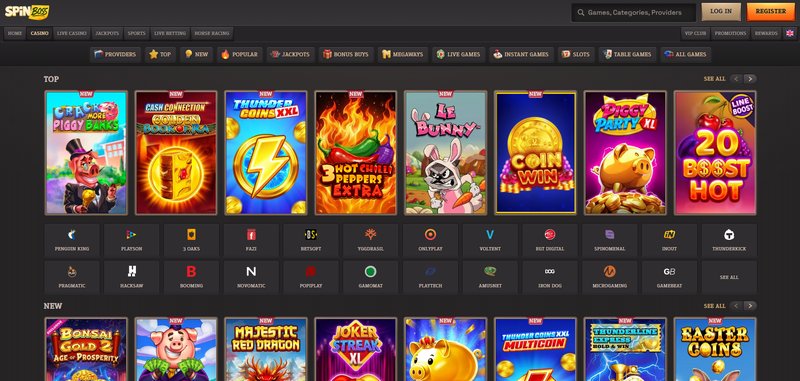
For those looking to combine their love of mobile gaming with the thrill of online betting, the spinboss bonus code offers a chance to spin the odds and win big.
3. Impact on Physical Retail and the Gaming Ecosystem
Physical game sales have seen a steady decline, with retail sales dropping 5% annually since 2015. In contrast, digital downloads have risen by 12% each year, and the UK’s mobile app stores now host over 300,000 active titles. This shift has forced brick‑and‑mortar retailers to diversify. Many now offer bundled deals that include mobile accessories, such as high‑resolution screen protectors and portable power banks, or host pop‑up gaming zones that let customers try new releases before purchasing related merchandise.
Another ripple effect is the rise of mobile‑centric esports. The UK’s first fully online mobile esports league launched in 2022, featuring a £50,000 prize pool for its flagship title. Teams now scout talent through streaming platforms, and universities offer scholarships for mobile game design and competitive play. This institutional support signals that mobile gaming is no longer a niche pastime but a legitimate career path.
In the same vein, the advertising industry has adapted to mobile gaming’s reach. Brands now sponsor in‑game events and integrate product placements into gameplay. A 2023 study showed that 68% of UK consumers who play mobile games report higher brand recall when the brand is featured in a game they enjoy. This trend has led to a surge in branded content, with agencies allocating up to 22% of their digital marketing budgets to mobile game partnerships.
While the growth is impressive, mobile gaming is not without its drawbacks. The freemium model can encourage excessive spending, particularly among younger players. In 2024, the UK government announced a review of in‑app purchase regulations, citing concerns over “predatory” pricing strategies that target vulnerable demographics. Developers are responding by implementing spending limits and clearer disclosure of purchase costs, but the debate continues.
4. Looking Forward: Integration with Emerging Technologies
Augmented reality (AR) and 5G connectivity are poised to further blur the lines between digital and physical entertainment. Early adopters in the UK are experimenting with AR scavenger hunts that overlay game elements onto real‑world locations, creating new social experiences that combine walking, exploration, and competition. Meanwhile, 5G’s lower latency is enabling more complex multiplayer interactions, making mobile gaming a viable platform for large‑scale, real‑time events.
These technological advances suggest that mobile gaming will continue to expand beyond its current boundaries. Studios are already investing in cross‑platform titles that allow players to switch seamlessly between phone, tablet, and console, while the line between gaming and social media continues to blur as live‑streaming features become embedded in game clients.
As mobile gaming reshapes the UK’s entertainment landscape, it brings both opportunities and challenges. The industry’s rapid growth offers new revenue streams for creators and advertisers, while also demanding thoughtful regulation to protect consumers. Ultimately, the evolution of mobile gaming reflects a broader cultural shift toward on‑demand, immersive experiences that fit into the rhythm of everyday life.